
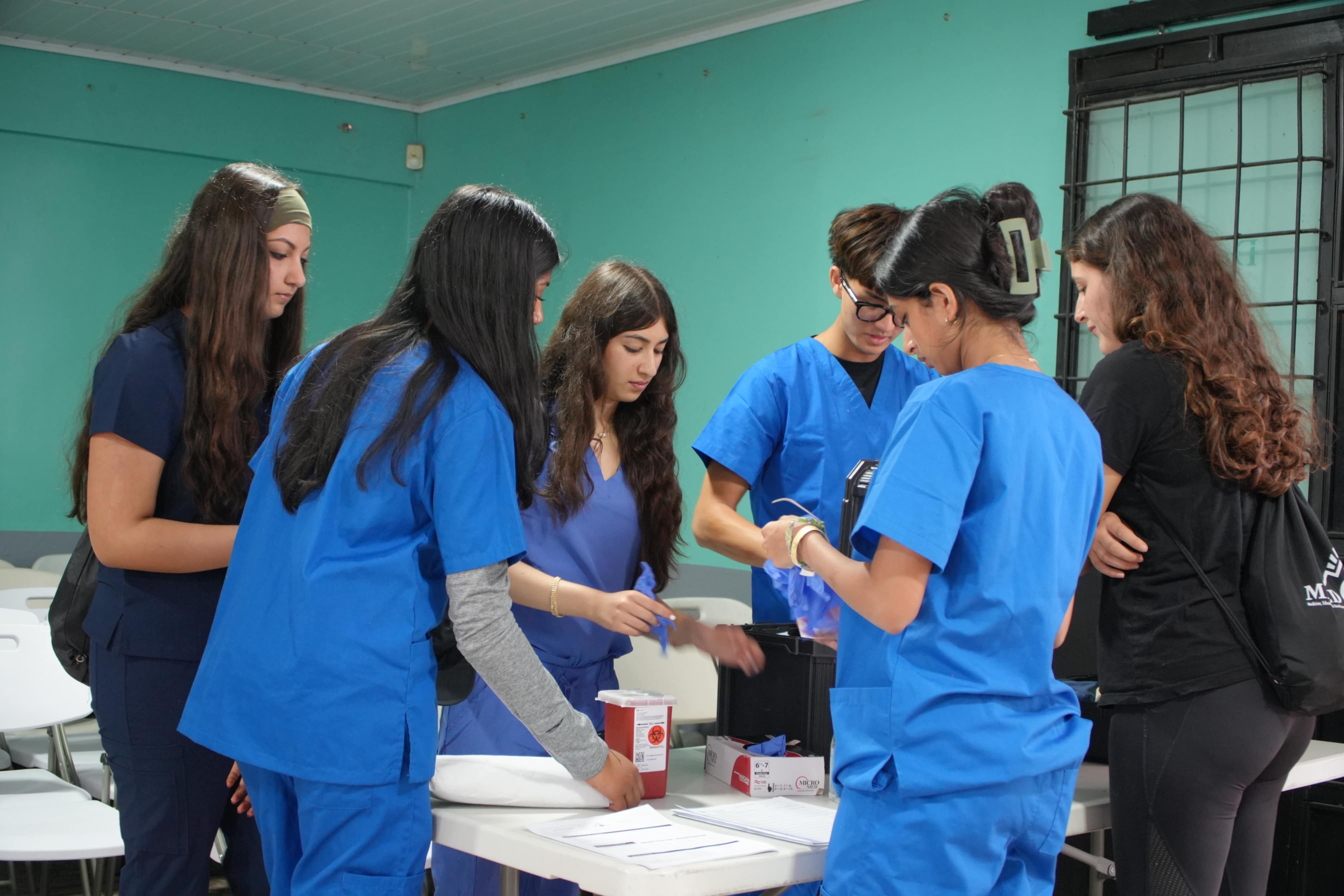
Sparking a passion for public health and medicine in the next generation requires moving far beyond the safe walls of a traditional classroom. For educators and group leaders, simply presenting clinical statistics or handing out textbooks rarely inspires a lifelong commitment to global health. Instead, the best way to introduce health programs to students is to present them as a chance to immersed directly into real-world environments where health equity and community infrastructure intersect. So many young people learn by doing rather than being told. By stepping away from theoretical lectures and stepping directly into field-based learning, young humanitarians can see firsthand how social determinants, like water access and housing stability, impact patient care, shifting their perspective from passive learners to active global citizens.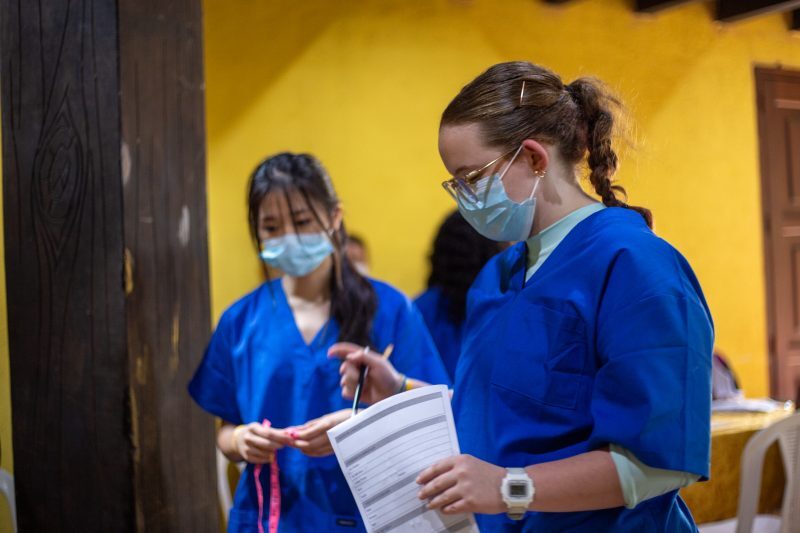
Moving Beyond the Textbook
When we look at traditional educational models, high school and undergraduate students often view healthcare through a highly sterile, clinical lens. They memorize anatomy and learn how to take vitals, but they miss the systemic issues that cause disease in the first place.
Introducing experiential learning abroad programs completely disrupts this detached approach. When students travel to underserved regions in countries like Peru or Tanzania, the abstract concepts of medical scarcity and public health policy suddenly become a reality. Witnessing how local doctors and nurses creatively manage patient triage in a makeshift clinic teaches students to problem-solve under pressure. Highlighting this immersive structure is the best way to introduce health programs to students because it can deliver foundational medical knowledge with raw, unforgettable human empathy.
Catching Passion Early
Waiting until graduate school to introduce these complex concepts is a missed opportunity. Immersing younger students into structured international settings helps them build critical thinking skills right as they are beginning to map out their future career trajectories.
Integrating high school study abroad programs into curriculums allows teenagers to develop cultural humility and ethical awareness before they ever step foot on a college campus. They learn that medicine is not just about writing prescriptions; it is about taking the patient’s entire life into account, including their living conditions, economic status, and historical background.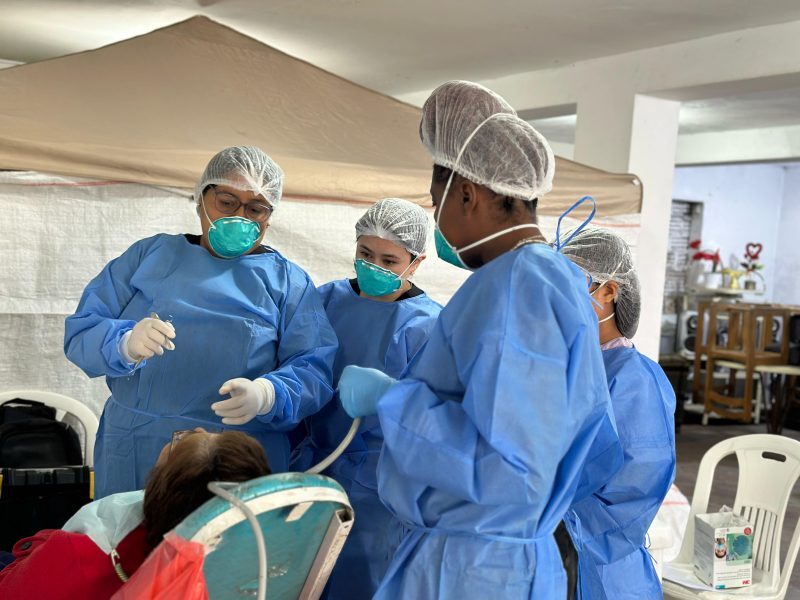
A Lifelong Commitment to Medicine
Ultimately, field experience in medically underserved communities works as a powerful catalyst for a student’s academic and professional journey. It reframes their entire motivation for entering the healthcare field, pushing them to view global health outreach as a matter of social justice rather than generic charity. It can also create a more holistic approach to medicine by allowing students to witness how lack of access can deeply affect health outcomes.
Selling it as a structured, collaborative environment where students shadow local professionals is undeniably the best way to introduce health programs to students. Any student who is passionate about medicine and learning about different cultures will be thrilled to have the opportunity to travel abroad and participate in ethical service.
Interested in how you and your students can assist people living in medically underserved areas in Latin America and Africa? Fill out the interest form below or download our brochure today!