


Walking into a university lecture hall filled with hundreds of high-achieving peers can instantly trigger a wave of self-doubt. For pre-med undergraduates, the intense competition for grades, research/intern positions, and clinical hours creates a perfect breeding ground for mental exhaustion and burnout. Many students quietly carry the heavy burden of feeling like they do not truly belong, constantly worrying that they will be exposed as underqualified and unfit to be there. If you have ever felt like an inadequate fraud despite your hard work and dedication, you are likely experiencing the common phenomenon of imposter syndrome in college students. Learning how to overcome imposter syndrome is not just about boosting your confidence; it requires critical steps in preserving your mental well-being and preparing for your future medical career.
The Internal Barrier
Before you can fight self-doubt, you have to understand how it manifests in your daily life. Common imposter syndrome symptoms include:
- chronic self-doubt
- an inability to accept your own achievements
- fear of failure
- shrinking back from opportunities because you assume others are more qualified
In the highly competitive world of pre-med, this anxiety often worsens during traditional clinical shadowing. Standing in a pristine hospital corridor, watching a seasoned physician, it is easy to feel completely out of place. You might convince yourself that you aren’t smart enough, fast enough, or capable enough to ever stand in their shoes. This internal barrier can paralyze your learning, making you hesitate to ask questions or engage with the medical material out of fear of looking foolish.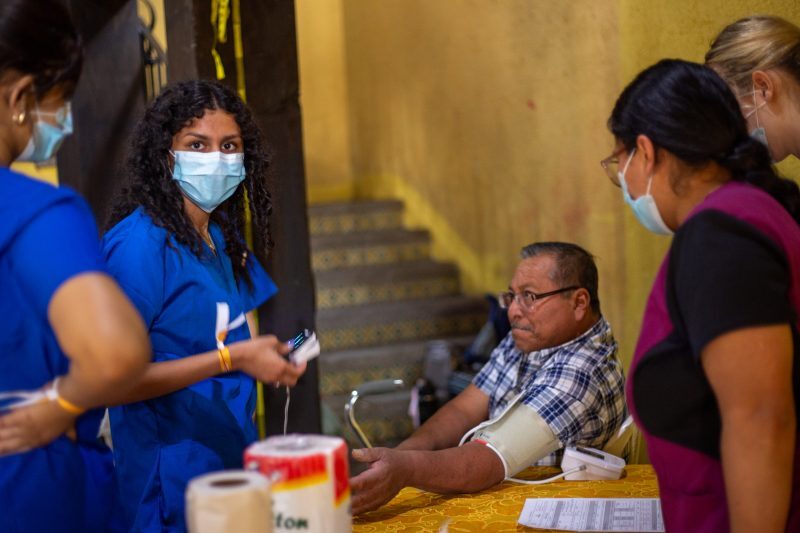
The Classroom vs. The Field
The secret to breaking this cycle lies in changing your environment. Traditional classrooms test your ability to memorize facts under pressure, which often fuels the comparison trap. To truly discover how to overcome imposter syndrome, you need to step away from the curved grading scales and immerse yourself in experiential learning.
This is exactly how a MEDLIFE Service Learning Trip can change the narrative. An SLT shifts the focus away from academic competition and places it entirely on collaborative public health. On a trip, you aren’t being graded against your peers. Instead, you are working together as a team alongside local medical professionals to support underserved communities in Latin America or Africa. Standing in a mobile clinic, you quickly realize that global health is not about possessing flawless expertise from day one; it is about empathy, curiosity, and a willingness to listen and learn.
Action Over Perfection
MEDLIFE’s mobile clinics in medically underserved areas provide a safe space where mistakes are viewed as learning moments, effectively dismantling the unrealistic standard of perfection that fuels self-doubt. When you interact with patients during intake, assist with public health workshops, or shadow a local doctor, your focus shifts from “Am I good enough?” to “How can I help?”
Gaining hands-on field experience is the ultimate antidote to self-doubt. By actively participating in a community-led movement, you build the real-world resilience needed for your future career. Once you realize that medicine is a lifelong journey of learning rather than a race for perfection, you will finally realize how to overcome imposter syndrome and confidently step into your calling as a future healthcare leader.
Interested in how you can assist people living in medically underserved areas in Latin America and Africa? Fill out the interest form below or download our brochure today!